Design 2025: accessibility and engagement

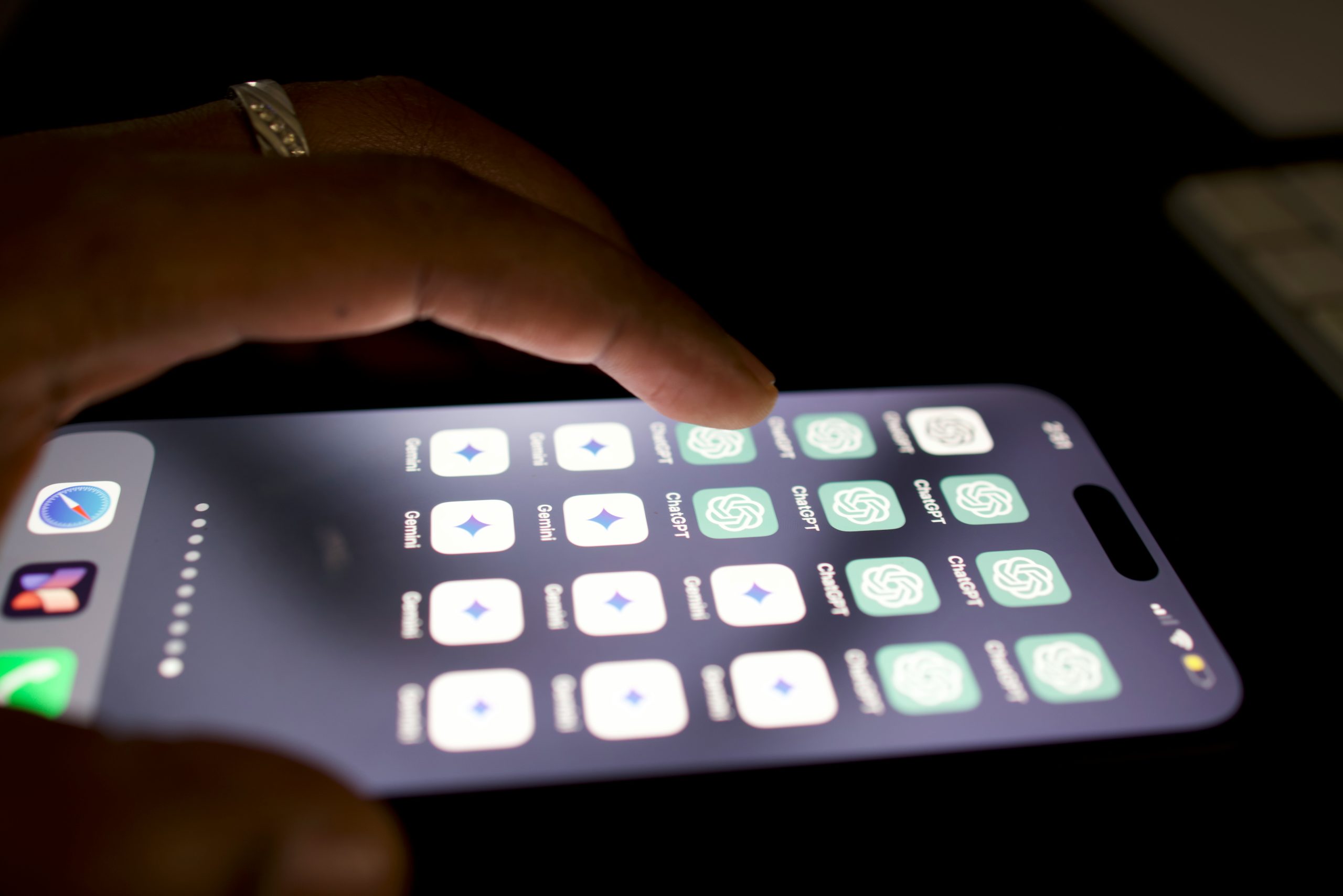


Artificial intelligence (AI) will still be a protagonist in user experience (UX), opening up new possibilities and tools, for design focused on accessibility, sustainability and gamification.
User experience design helps to shape the future of digital experiences, and not only those, opening itself every year to new opportunities, and exploring more intuitive and accessible solutions for the people who will use them. But what will the user experience and user interface (UI) design trends be for 2025?
As a user experience agency, we continually experiment with new ways of making user experience research and design more efficient and effective, to the advantage of both the person and the business. In this article, we propose some trends to keep an eye on and to try out in the design of your next product or service.
Integration of AI into design processes
In recent years, there has been a great deal of discussion of artificial intelligence. It is now beyond doubt that we are talking about an epoch-making revolution, which involves the way we work and our everyday life. Among user experience designers and researchers there is always a greater awareness of the strengths and weaknesses of generative AI.
So the challenge will also be, in part, that of knowing how to use these models, recognising their limits concerning factual accuracy, bias and questions such as privacy, security and intellectual property.
Automation and rapid prototyping with AI
In user experience, AI will tend to automate more and more design activities, such as the creation of prototypes and the generation of content, and not only those.
The tools based on artificial intelligence available to user experience design and research are more and more numerous and more and more specialised. For example, Relume.io makes it possible to generate sitemaps and wireframes from simple text inputs, to modify them by interacting with the AI, and to export them to Figma, Webflow and React, speeding up the design process considerably.
AI agents: intelligent assistants for complex actions
AI will not limit itself to giving suggestions and solutions to problems. It will evolve into AI agents, the new frontier of generative AI, as highlighted by McKinsey. These intelligent assistants, based on advanced language models (LLMs), carry out complex digital tasks autonomously. Unlike chatbots, they plan and complete multi-stage workflows, interacting with other tools. This capability will lead to an advanced automation of workflows, offering companies greater efficiency and a reduction in costs.
A focus on accessibility and inclusion
Among the user experience trends of 2025, digital accessibility takes on a central role. Creating inclusive digital experiences means guaranteeing everyone the possibility of having the same experience when using a site or an app, regardless of their abilities. Functions such as screen readers, voice navigation and customisable interfaces, designed by following the Web Content Accessibility Guidelines (WCAG) 2.2, become the norm, not the exception. In this case too, the integration of artificial intelligence can lead to innovative solutions that raise the level of accessibility of the experience. An interesting example is Microsoft’s Seeing AI app, which uses the smartphone camera to describe the world around them to people with low vision.
Beyond the screen: augmented and virtual reality
Augmented reality (AR) and virtual reality (VR) are redefining the concept of immersive reality in user experience design, opening new scenarios in the interaction between people and machines. The continuous increase in investment in these immersive technologies indicates a renewed interest in their potential. Thanks to these technologies, design for AR/VR promises to bring important developments in sectors such as e-commerce, interior design and e-learning, offering user experiences that are ever more engaging and realistic.
Glassmorphism and multi-layering for immersive reality
In the design of immersive interfaces, two key trends are establishing themselves, which integrate perfectly with AR and VR: glassmorphism and multi-layering. The “frosted glass” effect of the first, combined with the multi-level organisation of the second, offer the person a virtually infinite workspace and greater visual clarity. These techniques, then, improve interaction and the use of content in immersive environments, making the experience more natural and intuitive.
Connectivity for more fluid experiences
In 2025, 5G connectivity and satellite connections will have a positive impact on the user experience. These technologies allow more fluid interactions and real-time updates, fundamental for the latest generation of applications. In addition, satellite connectivity also extends coverage to hard-to-reach areas, until now difficult to serve, improving accessibility. New possibilities thus open up in sectors such as agriculture, logistics and emergency services, where a reliable connection can make the difference. Imagine, for example, the possibility of monitoring in real time data from sensors in rural areas, or of managing rescue interventions with greater efficiency thanks to uninterrupted communication.
Authentication without passwords
The security of apps is a sensitive subject, at the centre of public and regulatory attention. The aim is to guarantee it, without penalising the fluidity of the experience. Silent authentication is a solution that makes it possible to remove obstacles and ensure protection. Based on technologies such as biometrics (facial recognition, fingerprint, voice) and session tokens, it makes it possible to verify a person’s identity without requiring active interactions, such as the entering of a password. This technology finds application in sensitive fields such as banking, e-commerce and social media, where security and the protection of data are priorities.
Dark mode is confirmed
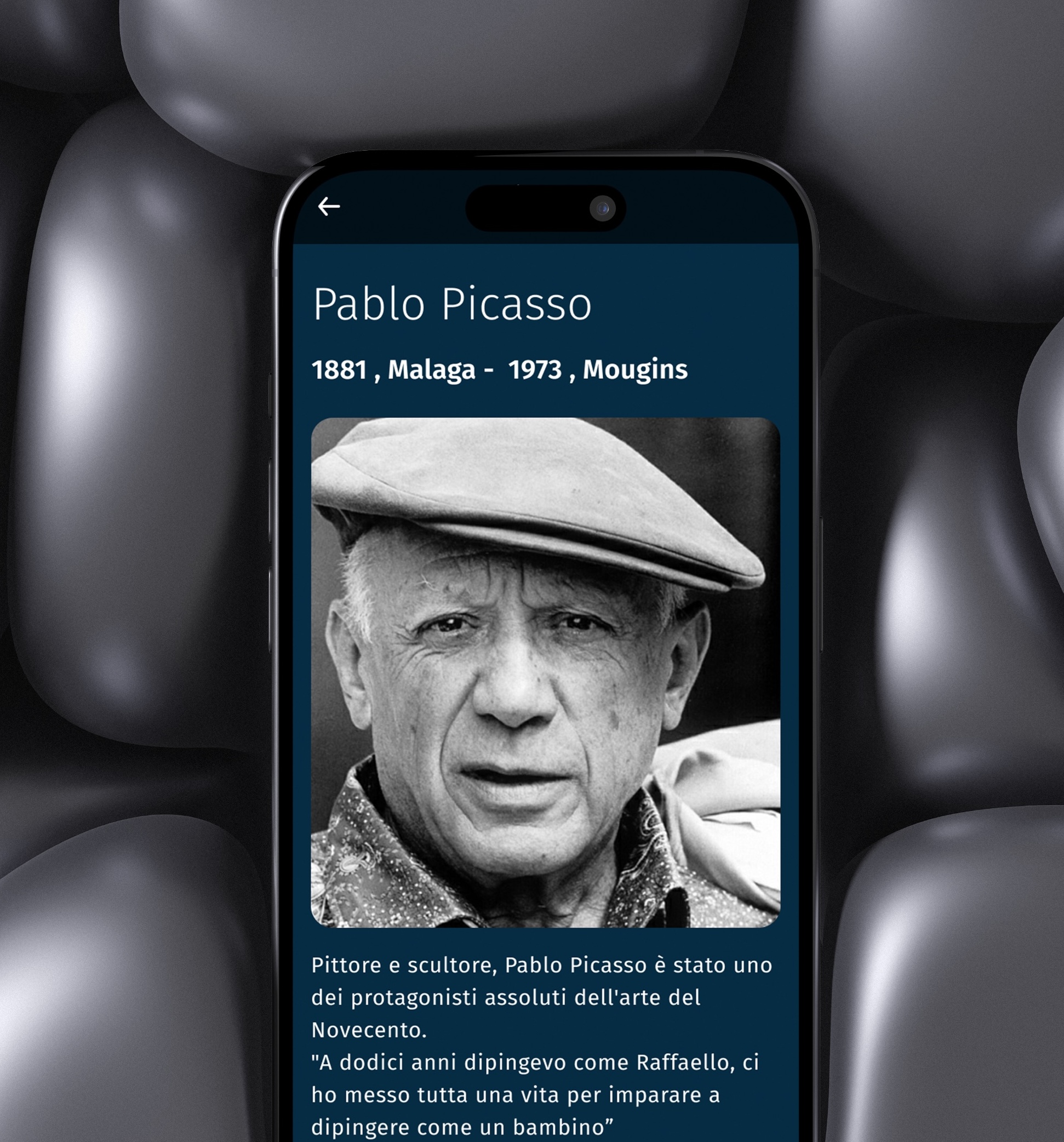
Dark mode is confirmed as a user experience trend for 2025 as well, not only for its elegant appearance, but also for its benefits in terms of visual well-being and sustainability. The use of dark backgrounds reduces the emission of light, contributing to energy saving on every device. This mode reduces visual fatigue, especially in environments with little light. In addition, dark mode improves visual accessibility for people with certain sensitivities or visual problems, offering a more inclusive experience. Readability, in particular for applications with a great deal of text, is also optimised thanks to the high contrast. For all these reasons, dark mode is not only a passing fashion, but a design element that improves the user experience.
Gamification to involve people
Gamification consists in applying game mechanics in non-playful contexts, with the aim of increasing people’s involvement and loyalty. This technique makes use of reward systems (points, badges, levels), narrative elements and interactive challenges to make the experience more stimulating and rewarding. Think, for example, of fitness apps that encourage physical activity with challenges and virtual prizes, or of retail loyalty programmes that offer discounts and advantages when certain goals are reached. User experience gamification transforms everyday actions into engaging experiences, increasing people’s motivation and satisfaction, and it is one of the strategies that will be confirmed in more and more sectors.
The cursor as an interactive element
The cursor is evolving, transforming itself into a tool of user interaction and an element of user experience design, which enriches the browsing experience. In dynamic feedback, when one passes over an interactive element, the cursor changes shape, size or colour according to the context and to the person’s actions.
Personalisation is another key aspect: brands can create customised cursors that reflect their visual identity. Finally, AI-based cursors are beginning to make their way, anticipating the person’s intentions and providing contextual suggestions. This evolution of the cursor, which takes inspiration from the world of video games, where the pointer is often a fundamental interactive element, adds a level of intuitiveness and involvement to the digital experience.
Bento box design: organisation and visual clarity
Bento box design is establishing itself as one of the most interesting trends in the field of user interface layout for 2025. Inspired by the traditional Japanese lunch containers, this approach organises the interface into well-defined sections, just as a bento organises different foods. The advantages of this style are many: segmented layouts offer immediate visual clarity, making it easier to navigate and to understand the information.
It also lends itself to a high degree of personalisation: people can often reorganise the modules according to their own needs, creating a made-to-measure interface. Thanks to its modular nature, this design is intrinsically responsive, adapting to screens of different sizes, from desktops to smartphones.
Bento box design proves particularly effective for data-rich applications, such as dashboards or project-management platforms, where the organisation and the hierarchy of information are fundamental for optimal use.
Interaction with voice interfaces
The rise of intelligent and wearable devices is transforming the landscape of user interfaces, and voice commands are more and more protagonists. Design for wearable devices such as smartwatches and for the smart home, such as Alexa or Google Nest, is pushing towards voice interfaces that are ever more natural and intuitive, also accompanied by gesture interactions. This evolution offers extraordinary opportunities to create user experiences that are more accessible and immediate, making it possible to interact with the technology in a fluid way and without the use of the hands. The future of design, in this perspective, will see an ever greater integration of these modalities, with the aim of making the interaction between people and machines ever more similar to a natural conversation.
The near future of user experience design
We have explored the key trends for 2025: from artificial intelligence that supports and speeds up the work of designers, to the focus on accessibility, to voice and gesture interfaces that make the interaction between people and machines more natural.
Meanwhile augmented and virtual reality, improved connectivity, gamification and care for details such as the cursor will contribute to creating digital experiences that are ever more immersive and engaging. The result will be innovative user experience design solutions, able to respond to people’s needs with products and services that are ever more intuitive, inclusive and sustainable.
We also recommend